
The Hills Are Alive
with the sound of stories...

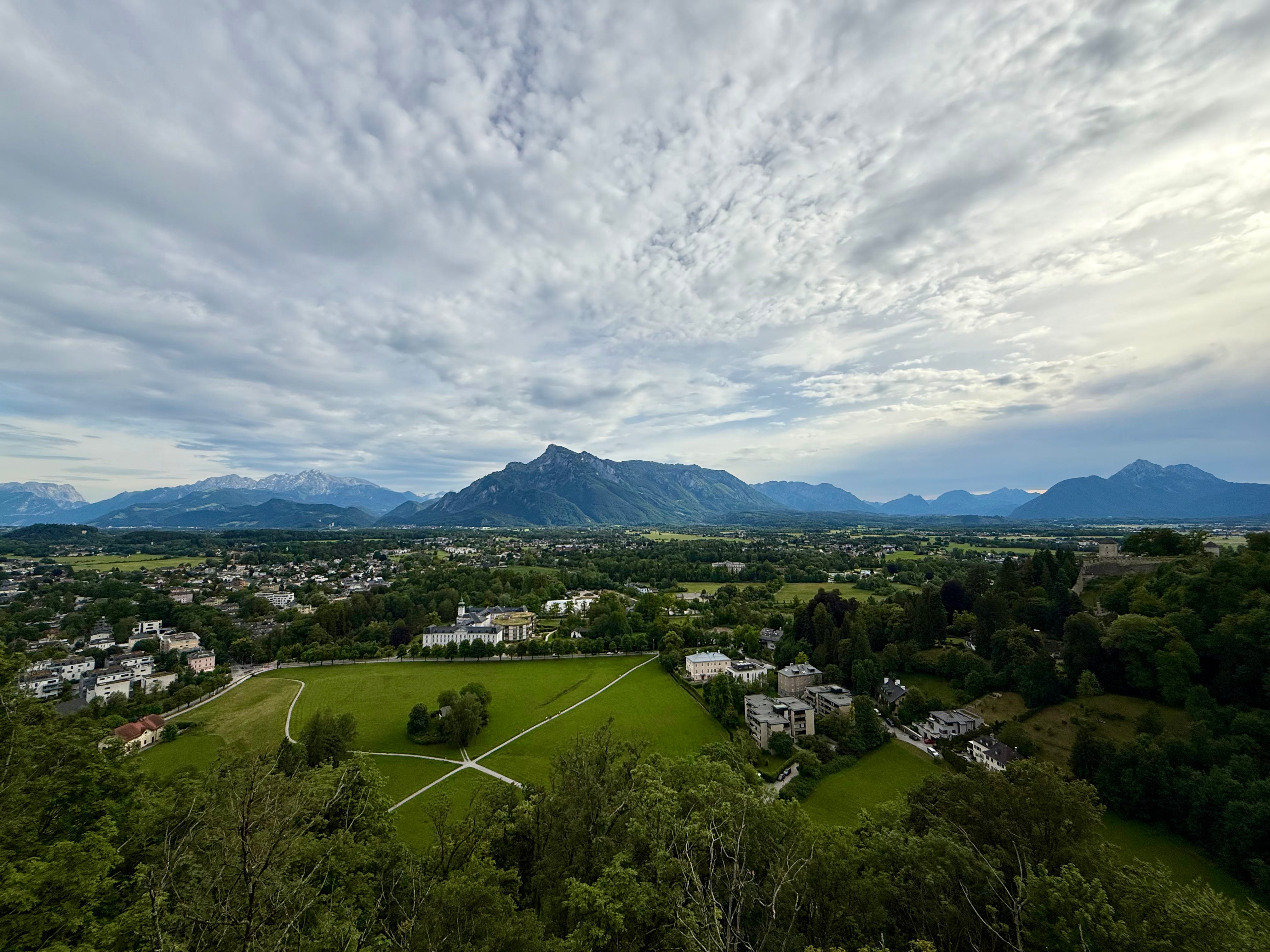
I was born in 1972, which means I was only four years old when The Sound of Music first aired on TV in 1976. I remember watching the movie many times afterward, when it was annually rebroadcast for the next 20 years. I can sing the lyrics to “Do-Re-Mi,” “My Favorite Things,” and “So Long, Farewell.”
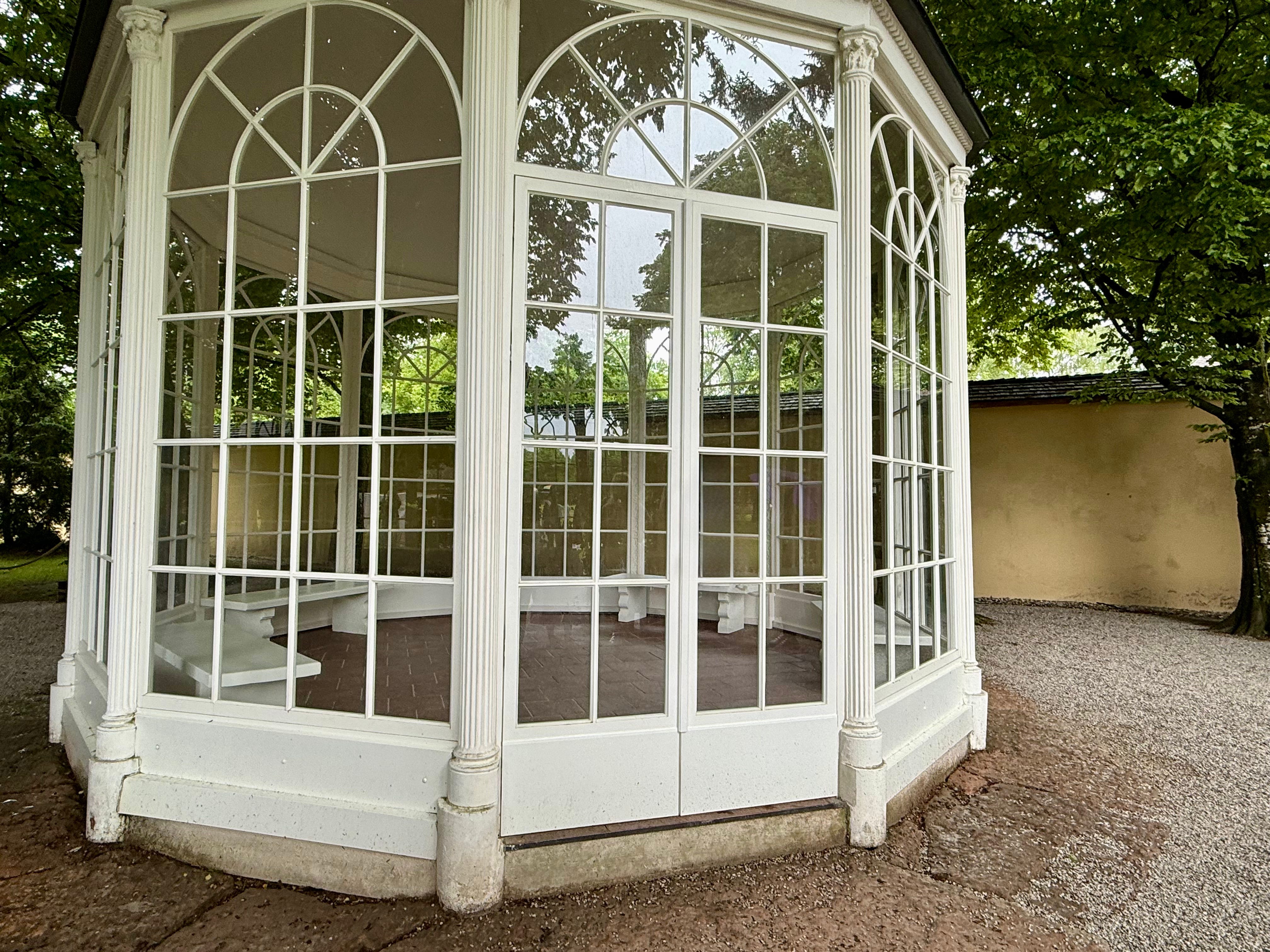
So when my boyfriend was planning our recent European adventure, and asked if I wanted to do The Sound of Music tour in Austria, of course my answer was yes. We did the four-hour bus tour last month, which took us to several of the original movie locations, including the gazebo where Liesl and Rolf sing “Sixteen Going on Seventeen” and the city park where they filmed “Do-Re-Mi.”
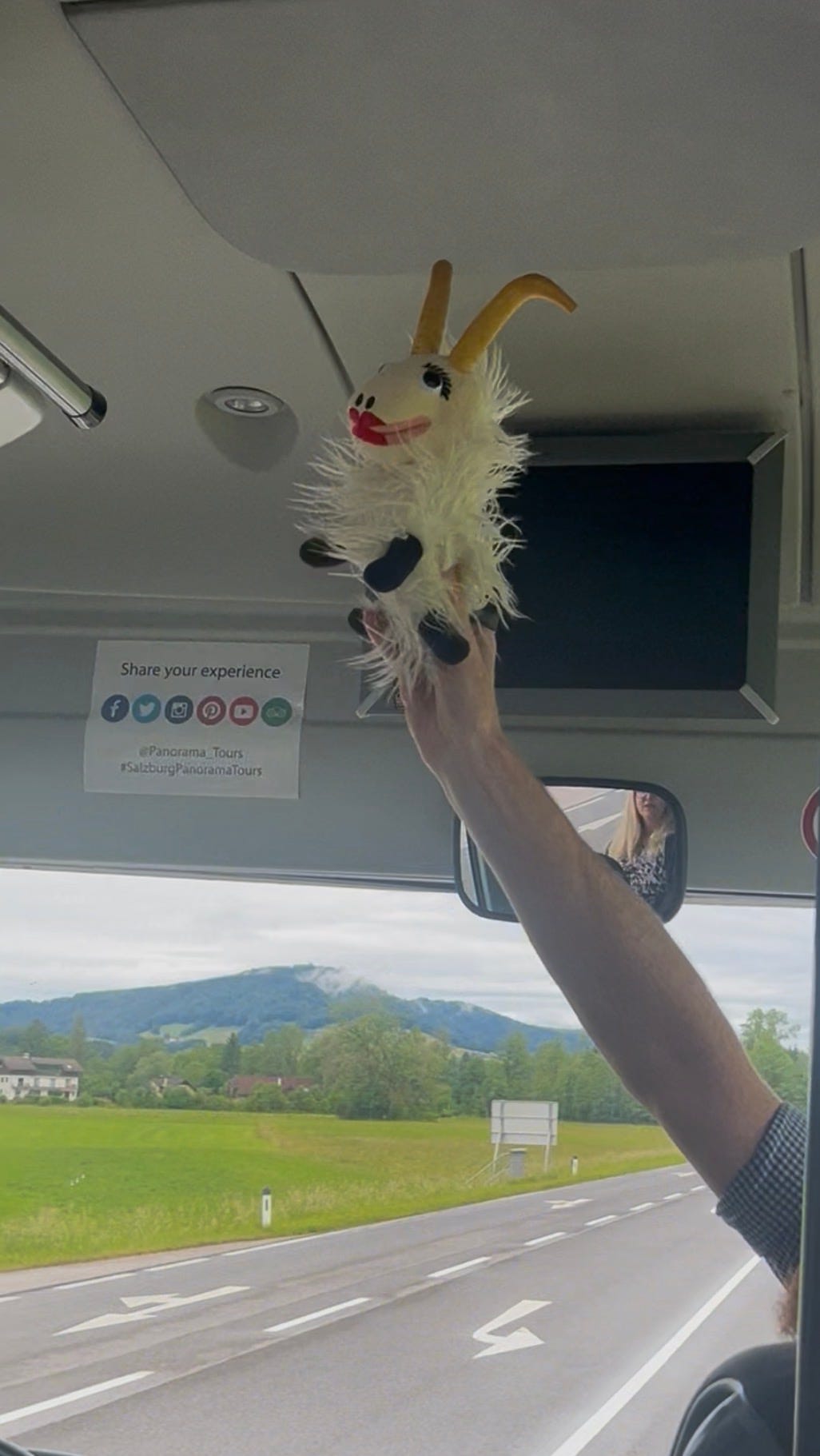
The tour was very well done, a nice combination of interesting movie facts and theatrical fun. I loved the goat puppets that performed along to songs on the bus. But what really caught my attention was the THOUSANDS of tourists who came to Austria primarily to see the Sound of Music movie locations. I met a 65 year-old woman from Fresno, a 25 year-old woman from Amsterdam, and grandparents who brought their grandsons from Texas. All forty people on our bus could sing along with every single song! I felt like I had entered some alternative universe, where I was the only casual fan, significantly outnumbered by all the rabid superfans. There were teenagers dressed up in costumes and people who sounded like they’d been practicing every song for years. I wanted to sneak away and quickly brush up on all the lyrics.
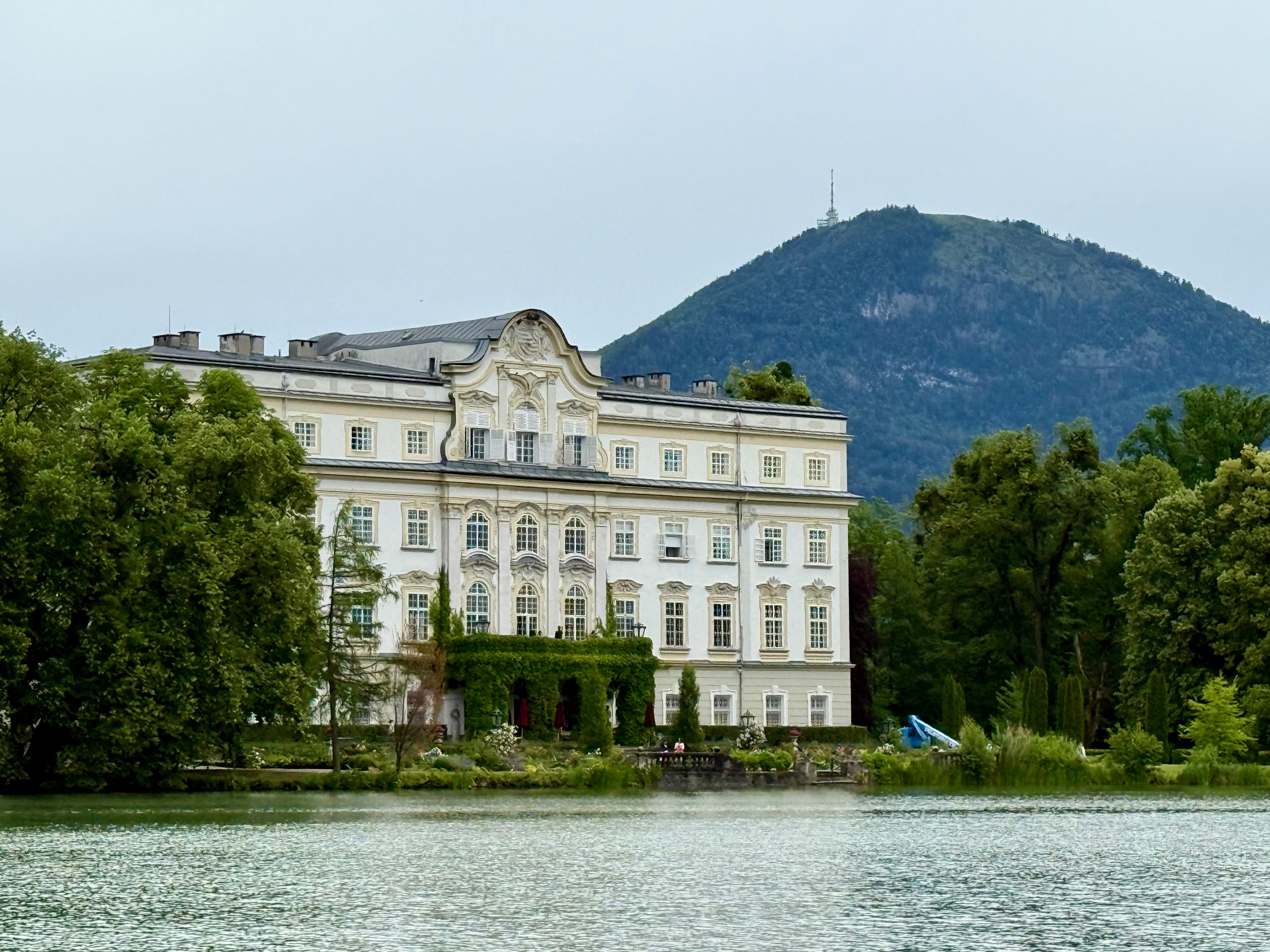
I did a bit of research and discovered this is called movie tourism and The Sound of Music is the #1 example. The #2 example is Lord of the Rings in New Zealand, #3 is Game of Thrones in Croatia and #4 is Harry Potter in the UK. I had no idea this was a thing. So of course I had to dig deeper.
When they survey tourists to Salzburg, more than 40% of them say The Sound of Music was their primary reason for visiting. And more than 300,000 people take a movie tour every year. Which means that over the past 60 years, more than 18 million visitors have traveled to Salzburg Austria because of one iconic Hollywood movie!
What many people don’t know is that the Hollywood movie was actually the 5th version produced about the true life story of the von Trapp family. I had no idea about the actual movie history…
In 1949, Maria von Trapp published her memoir: “The Story of the Trapp Family Singers.” Maria tells her story about preparing to become a nun, instead becoming a governess, marrying the Captain, and their decision to leave Austria in 1938 after the rise of Nazi Germany. Their family eventually settled in Stowe, Vermont and became well known musical performers.
In 1950, there was a very popular German stage play produced about their story, which led to a German movie made in 1956, based on the play. Both the play and movie were very successful across German speaking Europe.
Then the US Broadway musical came out in 1959. The producers added some romance, along with more emotional conflict and reframed the story as a romantic musical. It was hugely successful and won 5 Tony Awards, including Best Musical and Best Actress. The music and lyrics were by Rodgers and Hammerstein. This huge success led to the development of the Hollywood movie.
The film version, starring Julie Andrews and Christopher Plummer was released in 1965, and made a few more changes, expanding the Austrian landscape to be more dramatic and making the escape from the Nazis much more climactic. The movie became the highest-grossing movie of all time (at that time) and won 5 Academy Awards. It was an immediate commercial hit and became a cultural phenomenom. All this happened 16 years after the orginal book was published!
And now, 61 years later, there are still thousands of people climbing onto a tour bus to visit all the movie sites. I had to ponder why.
I think this movie became a universal story about finding your true self. Maria didn’t fit into the disciplined convent life, she loved the mountains and singing. When she dared to follow her true passions, she found new love and a new family. It’s about figuring out who you really are and where you really belong. All against the dramatic backdrop and danger presented by Nazis and fascism.
This type of long term impact doesn’t happen frequently and I think it happened here because of several factors:
A simple emotional story based on family, music, love, danger and escape.
Highly memorable music with songs that stick in your head.
Family-friendly content that became a televised movie tradition and was passed down across generations. Parents grew up with it and shared it with their kids.
The songs could easily be performed in schools and choirs and churches, and young theater groups could all participate.
The landscapes and Alps of Austria became a visible and emotional character.
The danger of the Nazi villians escalated the conflict and the stakes.
A very talented creative team that included two strong movie stars, a top notch director, and Rodgers and Hammerstein doing the music.
As an aspiring writer, my main takeaway is this: people want to be immersed in the complete emotional world of the story. They want the full sensory experience, the sites and sounds and feelings of a very particular time and place. And by singing the songs, they can enter into the world of that particular story. This movie brought the audience into the experiences of the story. And being there in Austria reinforces their emotional memories of the film that are often entwined with happy family memories and traditions.
I also found it interesting that this popularity came despite any support from the people in Austria. In fact, Austrians actively shunned all the attention.
When the movie was initially released, Austria was trying to rebuild itself apart from its Nazi related past. The locals didn’t see the movie as their story and felt that their history was being turned into Hollywood melodrama. Fair point. Most Austrians never watched the movie or wanted to be associated with it; they were irritated their city was simplified and romanticized by Americans. The movie primarily took off in the US and UK and continued to grow in popularity over time.
Then the American tourists showed up and starting asking for tour guides to show them the movie sites. Without any marketing, this demand increased throughout the 1980’s and created tension across Salzburg. Finally in the 1990’s the city leaders reluctantly embraced the tourists and formalized the movie tours and branded the maps with movie locations. They put the infrastructure in place for increased tourism, which then generated repeatable income. Now there are dozens of movie tours, every day, all year round.
Still, some tensions remain with the locals who much prefer to focus on their most famous resident - Wolfgang Amadeus Mozart. Austrians from Salzburg are most proud of their classical music traditions and baroque architecture. They don’t love the American interpretation of their history and their hills.
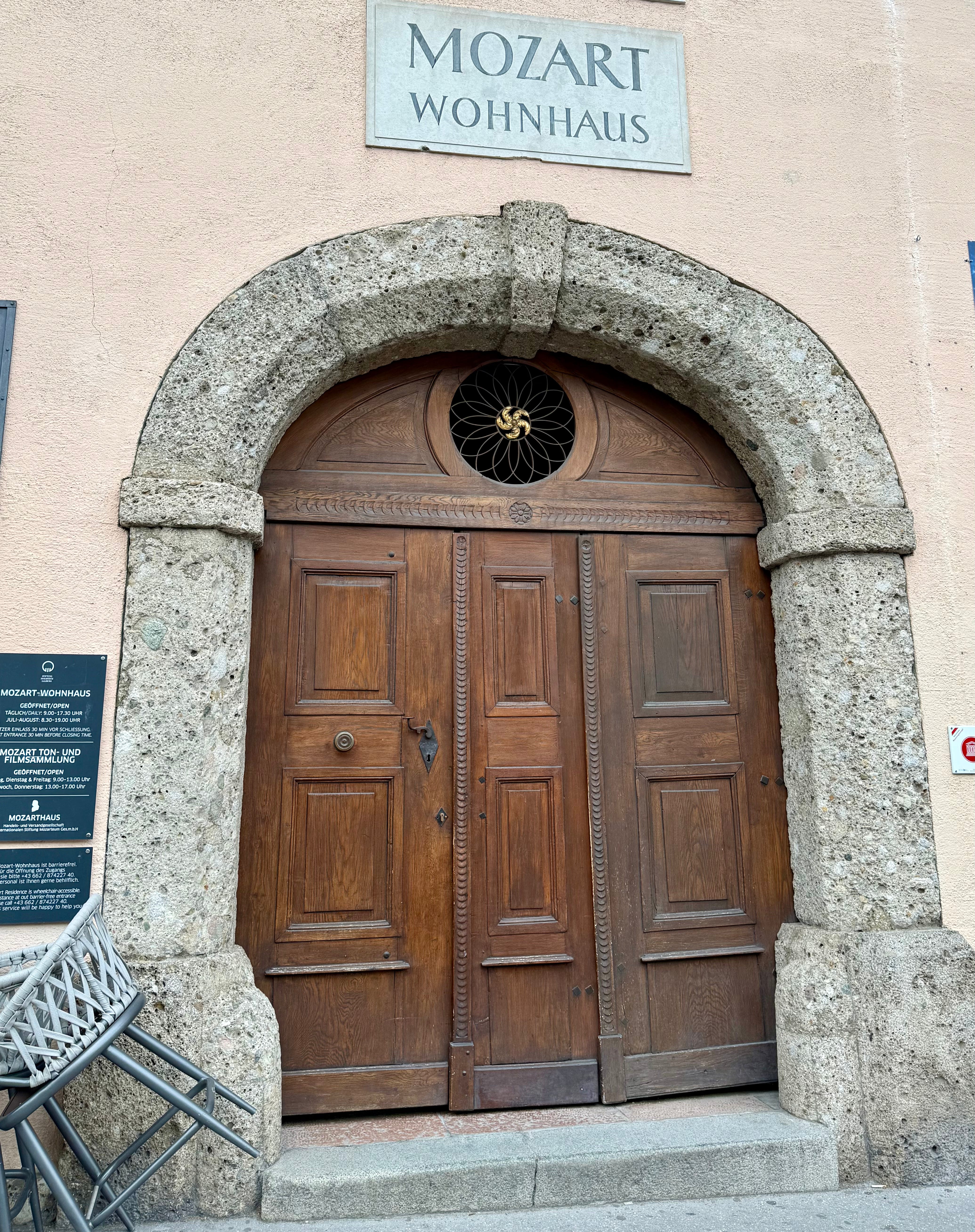
I have this weird daydream about going back in time to visit the mayor of Salzburg in 1964 and saying to him: “Look, there’s going to be this Hollywood movie released next year that is set in your city. And it’s going to cause 18 million tourists to visit Salzburg over the next 60 years. You should do some things to get ready.” I’m sure he’d laugh in my face because that is SUCH a preposterous idea.
But that is the power of story to capture the hearts and minds of several generations across the globe.
It makes me wonder what book or movie might be released this year or next that will lead to the next big cultural phenomenom. I have no idea which story will take off, but I guarantee that something will, because that has always been the power of stories.
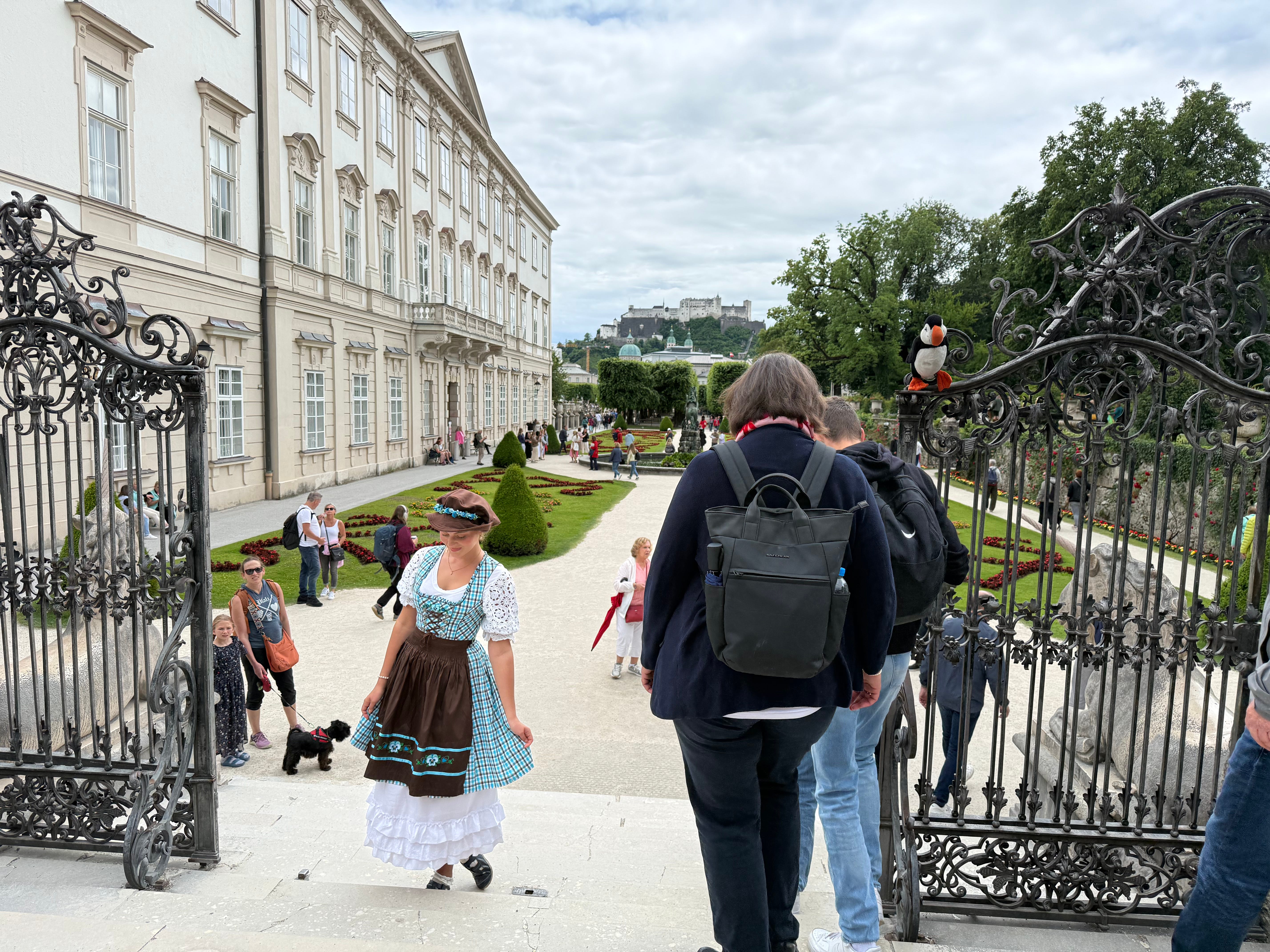
Love the writer perspective on this phenomenon!
I went on that tour about 25 years ago!!