
Language Matters
because it creates our identity in the world...

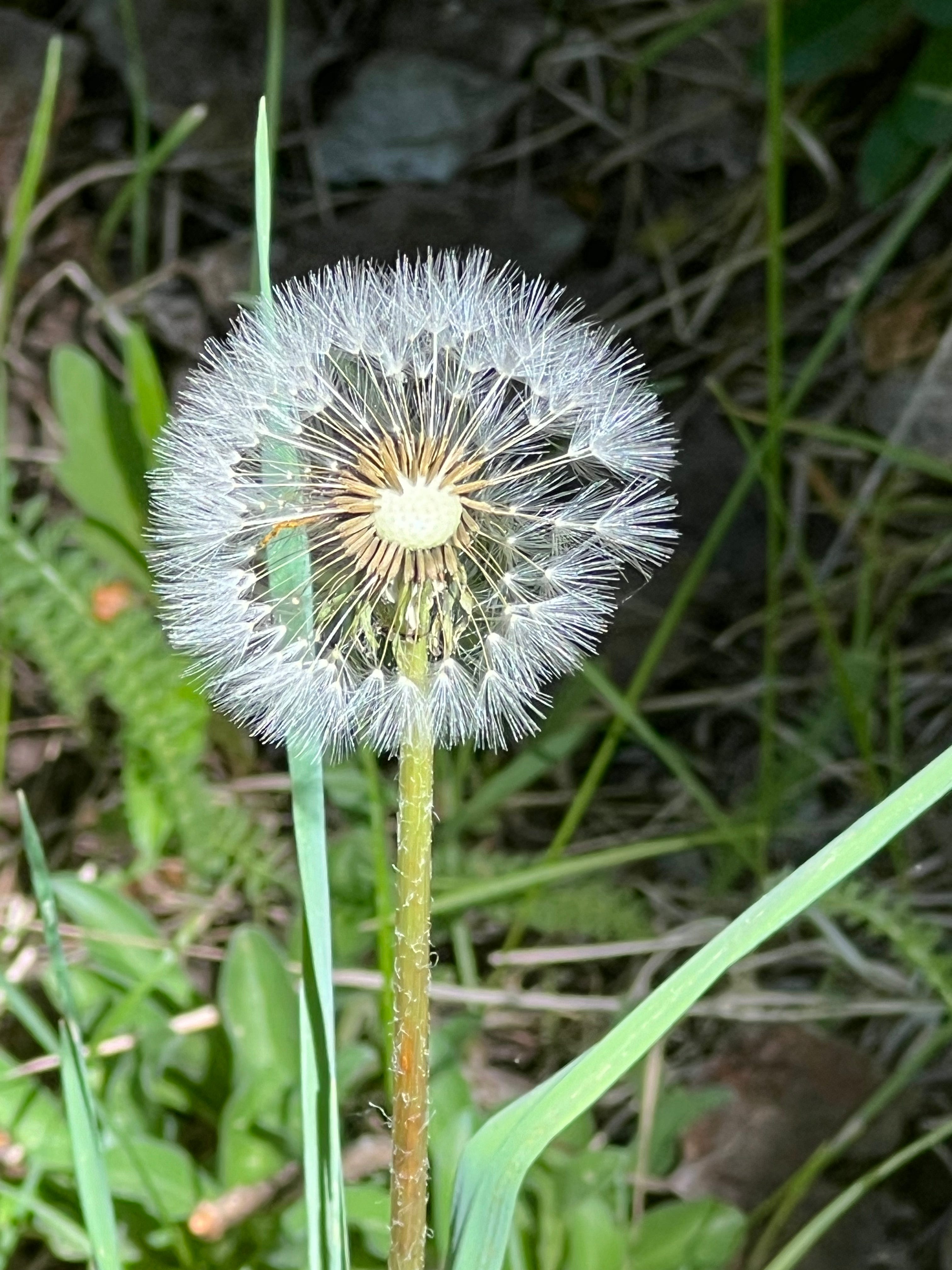
When I left my corporate job three years ago and decided to finally write the book I had stuck in my head, I already knew the main characters and the title: Derby and the Dandelions. I had become well acquainted with Derby and her three best friends, all four orphans who live in a progressive group home and hang out together in their treehouse.
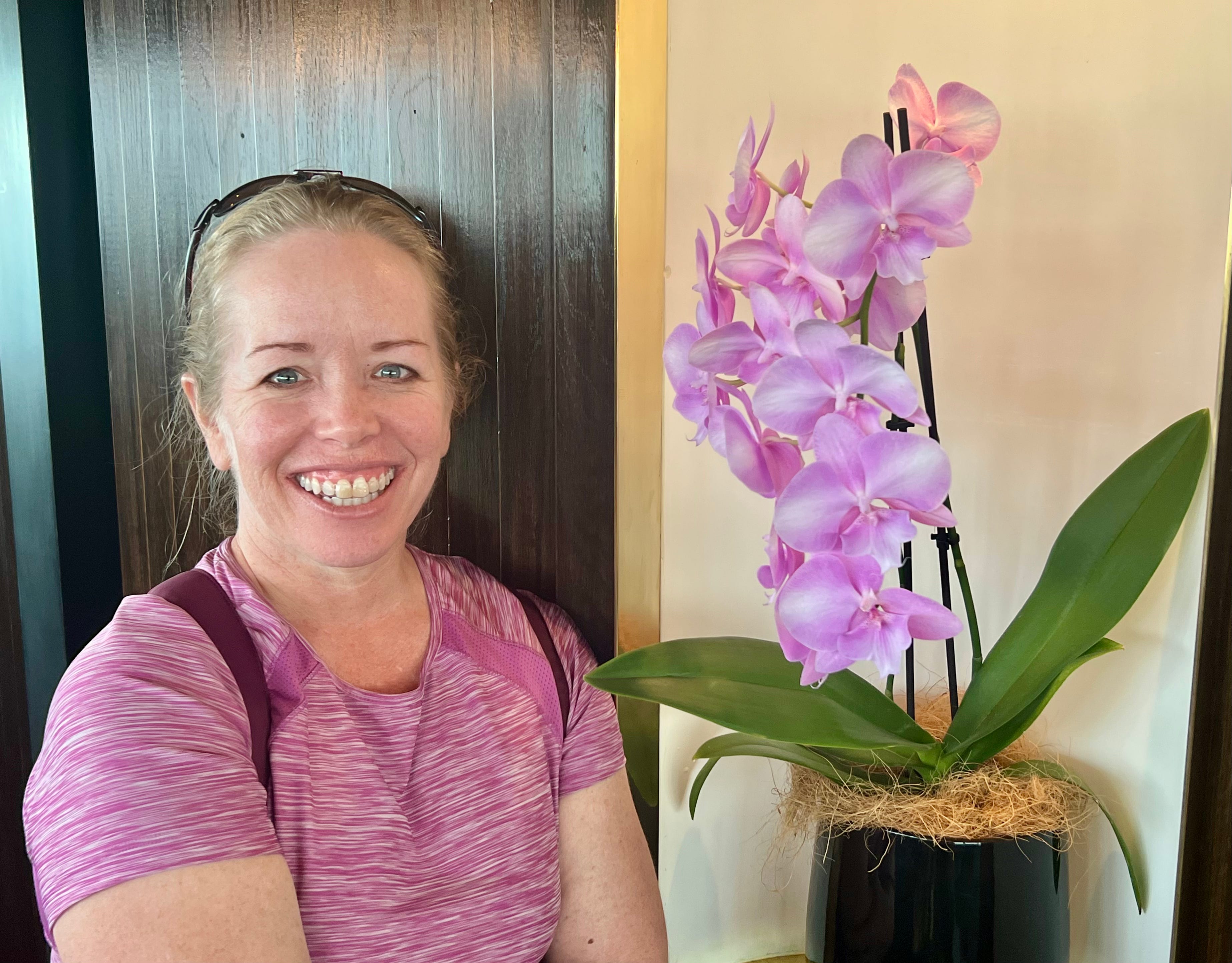
These four characters had been living with me since 2014, when I read an article in The Atlantic about the science of depression, genetics and risk. The author, David Dobbs, did an outstanding job explaining environmental sensitivity through the metaphor of flowers. Dandelions are those people whose biology makes them hardy and resilient, somewhat untroubled by challenges in their environment. Orchids are those people whose biology makes them highly sensitive to everything in their environment. Dandelions can survive almost anywhere, while orchids need the right environmental conditions in order to thrive. Being an orchid can be a liability in a harsh environment, but an incredible strength in a supportive environment. This is actual biology and well researched science.
Way back in 2014, I knew I could use this metaphor in fiction, with characters who were familiar with the science and could personify the differences between dandelions and orchids. I could expand on the metaphor and help readers understand themselves better. I had also earned a masters degree in Applied Positive Psychology from the University of Pennsylvania, and I saw ways my characters could naturally explore the science of resilience.
When I first started brainstorming this story, I knew for certain that Derby and her friends Icicle, Carter, and Blaze were all dandelions. When I took a writing workshop at the local community college and turned in draft chapters, all four characters were still dandelions. When I dedicated myself to finally writing this story in 2023, all four were still dandelions. The first chapter actually had this line in it: “My name is Derby and I’m a dandelion.”
And then as I tentatively wrote my way towards a finished draft in 2024 and 2025, I slowly discovered that Derby was actually an orchid. Talk about a plot twist! Because she’d survived a traumatic childhood, Derby valued being tough and resilient and she desperately wanted to be a hardy dandelion.
But ultimately her coming of age journey turns out to be about accepting her own orchid nature. And not just accepting it, but celebrating it. She begins the story feeling stigma and shame, but by the end of the story she embraces her sensitivity and all her creative strengths.
Derby’s journey might be relatable to anyone who’s felt ashamed of the ways they are different and has spent energy masking themselves or contorting themselves to fit in with the group. The group can be your family, your friends, your workplace, or anywhere it doesn’t feel safe to genuinely be yourself. In some cases, you might have been masking for so long, you’re not even aware you’re doing it. Hiding our true selves is not unique to sensitive orchids - we’re all prone to hiding aspects of ourselves that differ from the norm.
Derby spent years wanting desperately to be a dandelion, and her journey from shame to self-acceptance as an orchid holds insights for all of us.
During the past three years, I’ve spent a lot of time talking about this story with friends and beta readers. I’ve lost track of all the times when I explained about dandelions and orchids, and someone replied, “Oh yeah, I’ve heard about HSPs.” HSP, or Highly Sensitive Person, is a very common label for an orchid. HSP was how Elaine Aron identified this trait when she started publishing about it thirty years ago. Her 1996 book, The Highly Sensitive Person, was the very first book that introduced this trait to a wide audience. She used the term HSP to describe the temperament trait of Sensory Processing Sensitivity (SPS).
I think of Elaine Aron as the godmother of sensitivity, because she was the first researcher to publish papers and books about this. She’s a pioneering trailblazer and I’m grateful for her groundbreaking work. She was approaching this trait from the therapeutic world of clinical psychology, and in that context the term HSP was - and still is - very helpful.
I’m comfortable using the term HSP, if that’s the terminology other people use. I generally respect everyone’s right to choose their own labels. However, the research science has matured a great deal in the past two decades, such that we now have a better understanding of this trait.
And also... the more I talk about Derby with friends and beta readers, the more passionately I feel about the framework of dandelions and orchids. Because I believe the language we use matters. Language matters because how we talk about ourselves influences how we feel about ourselves.
Here’s the challenges I’ve observed with the term HSP/highly sensitive person:
Saying someone is highly sensitive sounds very similar to saying someone is too sensitive. There’s a subtle negative judgement implied in the language. It also implies that you have some choice about this, and you should choose to be less sensitive. It sounds like a pejorative that might accompany an eye roll.
Saying you’re a highly sensitive person puts the focus solely on the individual instead of the individual together with their environment. When we talk about the highly sensitive individual, there’s an implied problem with the person. When actually, the trait of high sensitivity describes how the person’s biology interacts with their environment. It’s the person + their environment that determines how much they thrive, or don’t. We should strive to discuss the person in context of their environment, instead of ignoring their environment. I’m also a proponent of looking at systems, instead of isolating the individual.
Using the term HSP keeps the focus on only one subset of the population. Yes, HSPs/orchids are around 20-30% of the human population, but dandelions are 20-30% of the population, and the remaining group with medium sensitivity - tulips - is around 40-60% of the population. When we talk about orchids, it naturally invites us to also talk about dandelions and tulips, which is more inclusive of us all.
Saying I’m a highly sensitive person sounds a bit like resigning myself to some type of disability. It sounds like I need to understand what’s wrong with me in order to fix it. Saying I’m an orchid sounds far more positive and empowering. It’s a statement about how I can bloom when I’m in a supportive environment. It’s similar to saying I’m an extrovert or I’m right handed - it’s a simple and accurate description of how I’m naturally wired. When I tell someone I’m an orchid, I say it with a small amount of pride, and without any shame.
Yes, I’ve spent a lot of time thinking about these nuances of language. It’s because when people read this novel with a highly sensitive main character, I want them to understand the emotional experience of living life as an orchid. And there’s a few things I hope people could better understand about orchids:
This is not something we have a choice about. It’s our biology, it’s how our body and brain is wired. We cannot choose to make our nervous system less sensitive. What we can do is be more aware of our how our nervous system processes stimulation and learn how to better manage the conditions of our environment.
This temperament trait shapes everything about how we experience the world. I hear things other people don’t hear, I smell things others don’t and I get overwhelmed quickly when there’s too much stimulation bombarding me. Crowds and noises and smells can make us very tired, because our body has to work harder to process everything coming at us. Our nervous system is frequently exhausted from the stimulation of ordinary everyday life.
Distressing sounds, smells, tastes and fabrics are incredibly painful for us. The sound of a lawnmower while I’m working makes me want to cut my ears off. I have an orchid friend who cannot be in a car with people wearing perfume. We cannot filter out the sensory stimulations that distress us. It might seem like we’re being dramatic and ridiculous, but we’re not. We’re just completely overwhelmed.
We can be equally troubled by emotional stimulation as much as physical stimulation. Emotional conflict and emotional uncertainty bothers us at a very deep level. We cannot compartmentalize this, because we feel all our emotions very deeply.
At the population level, having all three types of flowers makes the human species stronger. Dandelions help us survive hard times. Orchids help us adapt when conditions allow. Our humanity needs all of our diversity. I hope we can start talking more about the strengths of each of these flower types, because our uniqueness is not a flaw, but a gift.
Although there are challenges with being an orchid, there are also incredible strengths. Orchids might be more susceptible to anxiety, depression and addiction, but they also have incredible capacity for creativity. This depth of feeling translates well to all sorts of creative practices. In fact, many orchids are very talented writers, artists, and musicians.
I have one best friend who’s heard me babble on about Derby and the dandelions and orchids from the very beginning. He’s had the patience to listen to all my preposterous plot concepts, in all their various iterations. He’s the only person who’s read every terrible draft of this book over the past decade.
Which means when I finally finished one whole complete draft, I was very excited for him to read it. I emailed it to him in Europe and impatiently waited for his feedback. Which came just two days later.
“Wow,” he said. “I’ve known you for 20 years, and after reading this, I feel like I understand you - and orchids - so much better.”
I grinned when I heard him say that. That’s what I want my readers to feel - I want them to understand themselves better. And I want all of us to understand orchids better, along with dandelions and tulips too.
There’s been more than a million nonfiction books sold about the science of sensitivity. Every nonfiction book I’ve read has been helpful. But I’ve never read any novel where a highly sensitive orchid is the hero of the story. Therefore, I wrote one. And I can’t wait for people to read it.
I am truly enjoying learning about this subject and looking forward to reading the story.
This is your best article yet! Perhaps it's because it is close to your heart. Perhaps it's the engaging way you talked about your story (actually drew me in more than any query). I don't know what it is and it might just be the fact I'm enjoying my first (and best) cup of coffee of the day and I'm best in the morning, but I don't think so. I think this was the most honest (not implying there was anything deceptive in the past) but just so very real and present feeling about the words and the message here. Brava, my friend.